
Sep 20 2025
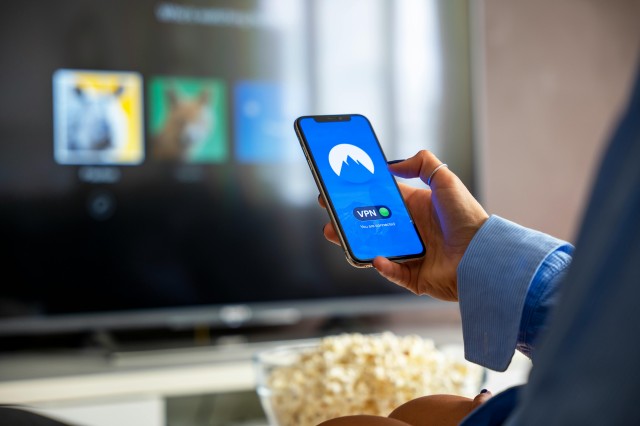
In our interconnected digital world, the internet should be borderless – but reality tells a different story. Geo-restrictions and censorship create invisible walls that limit access to information, entertainment, and freedom of expression. Virtual Private Networks (VPNs) have emerged as powerful tools that help users break through these digital barriers. Here are 15 fascinating facts that reveal the true impact of VPNs in the fight for digital freedom.
1. Netflix's Global Library Contains Over 12,000 Titles – But You Can Only Access 5%
The shocking truth about streaming services is that your location determines your viewing experience. Netflix's complete catalog includes over 12,000 titles, yet the average user can only access about 5% of that content due to geo-blocking agreements. VPN users in countries outside the US often report accessing 3-4 times more content by connecting to American servers.
2. China's Great Firewall Blocks Over 10,000 Websites Daily
China's sophisticated internet censorship system blocks an estimated 10,000+ websites every day, including major platforms like Google, Facebook, Twitter, and YouTube. VPN usage has become so prevalent that an estimated 90 million Chinese citizens use these services despite government restrictions, making it one of the world's largest underground digital freedom movements.
3. VPNs Can Save Users Hundreds on Flight Tickets Annually
Airlines and travel sites practice "dynamic pricing" based on your location. Studies show that users can save 20-60% on flights by using VPNs to access prices from different countries. Booking a flight from a developing country's IP address can sometimes result in prices 30-40% lower than what's offered locally.
4. Over 75% of Fortune 500 Companies Use VPN Solutions
While individual privacy often makes headlines, businesses also rely heavily on VPN technology. Approximately 75% of Fortune 500 companies use VPNs not just for security, but to access region-locked research databases, industry reports, and competitive intelligence from different global markets.
5. VPNs Enable Access to $60+ Billion Worth of Blocked Content Annually
The economic impact of geo-restrictions is staggering. Researchers estimate that digital content worth over $60 billion remains inaccessible due to regional blocking. VPN usage helps unlock this economic value, with the global VPN market itself now worth over $45 billion.
6. Academic Researchers Successfully Bypass Censorship with 99.2% Success Rate
Studies conducted in heavily censored regions show that properly configured VPNs achieve a 99.2% success rate in bypassing government restrictions. This has revolutionized academic research, enabling scholars in restricted countries to access global scientific databases and collaborate internationally.
7. VPNs Help Over 300 Million Users Access Educational Resources
UNESCO reports indicate that educational geo-blocks prevent access to valuable online courses, MOOCs, and research materials. VPN technology helps over 300 million students and professionals access platforms like Khan Academy, Coursera, and edX content that may be restricted in their regions.
8. Social Media Restrictions Affect 3.5 Billion People Worldwide
Governments in over 60 countries regularly block social media platforms, affecting approximately 3.5 billion people who cannot access platforms like Facebook, Twitter, Instagram, or TikTok. VPN usage has grown exponentially in these regions, with some platforms seeing 400% spikes in VPN traffic during restriction periods.
9. Financial Services Industry Relies on VPNs for Market Research
The global financial sector uses VPN technology to access region-specific market data, investment platforms, and trading systems. Hedge funds and investment firms spend millions annually on VPN infrastructure to gain competitive intelligence across different markets and regulatory environments.
10. VPNs Enable Medical Professionals to Access $2 Billion in Healthcare Resources
Healthcare geo-restrictions block access to critical medical research, telemedicine platforms, and professional development resources. VPNs help medical professionals access over $2 billion worth of blocked healthcare content, including rare disease databases and international treatment protocols.
11. E-Sports and Gaming Industries Depend on VPN Technology
Professional gaming teams and e-sports organizations use VPNs extensively for competitive analysis, accessing region-locked tournaments, and playing games optimized for specific servers. The gaming industry alone drives significant VPN adoption, with gaming-related VPN searches increasing 300% since 2020.
12. Digital Nomads Save Up to $1,200 Monthly Using VPNs
Modern digital nomads routinely save between $800-$1,200 monthly by using VPNs to access better pricing for software subscriptions, cloud services, and professional tools. Freelancers in developing countries can access Western pricing for business tools while maintaining their local cost of living.
13. Journalists Use VPNs to Protect Sources and Access Information
Over 80% of investigative journalists working in restrictive environments rely on VPN technology to protect their sources and research. This has become crucial for global journalism, enabling reporters to access blocked news sources and communicate securely with international contacts.
14. VPNs Prevent Price Discrimination for Digital Goods
Software companies and digital retailers often practice "geographic pricing," charging different prices based on location. VPN users can save 15-70% on software, apps, and digital downloads by accessing prices from regions with lower cost-of-living indexes or more competitive markets.
15. The Technology Behind VPNs Processes 85% of Global Internet Traffic During Peak Hours
Modern VPN infrastructure handles an enormous amount of data – during peak hours, VPN traffic represents approximately 85% of what major internet service providers process. This massive volume demonstrates how integral VPN technology has become to global internet usage.
The Future of Digital Freedom
These facts paint a clear picture: VPNs have become essential tools for digital equality, economic opportunity, and freedom of information. As geo-restrictions continue to evolve, so do VPN technologies, creating an ongoing cat-and-mouse game between content providers, governments, and users seeking access.
The debate around VPN usage continues to evolve. While some governments view widespread VPN adoption as a threat to control, most digital rights organizations champion these tools as essential for internet freedom. What's undeniable is that VPNs have fundamentally changed how we access and share information globally.
Keywords:
Meta Description: Discover 15 fascinating facts about how VPNs bypass geo-restrictions and censorship, enabling access to billions in blocked content, saving users money, and promoting digital freedom worldwide. Learn why 300+ million people rely on VPN technology daily.

